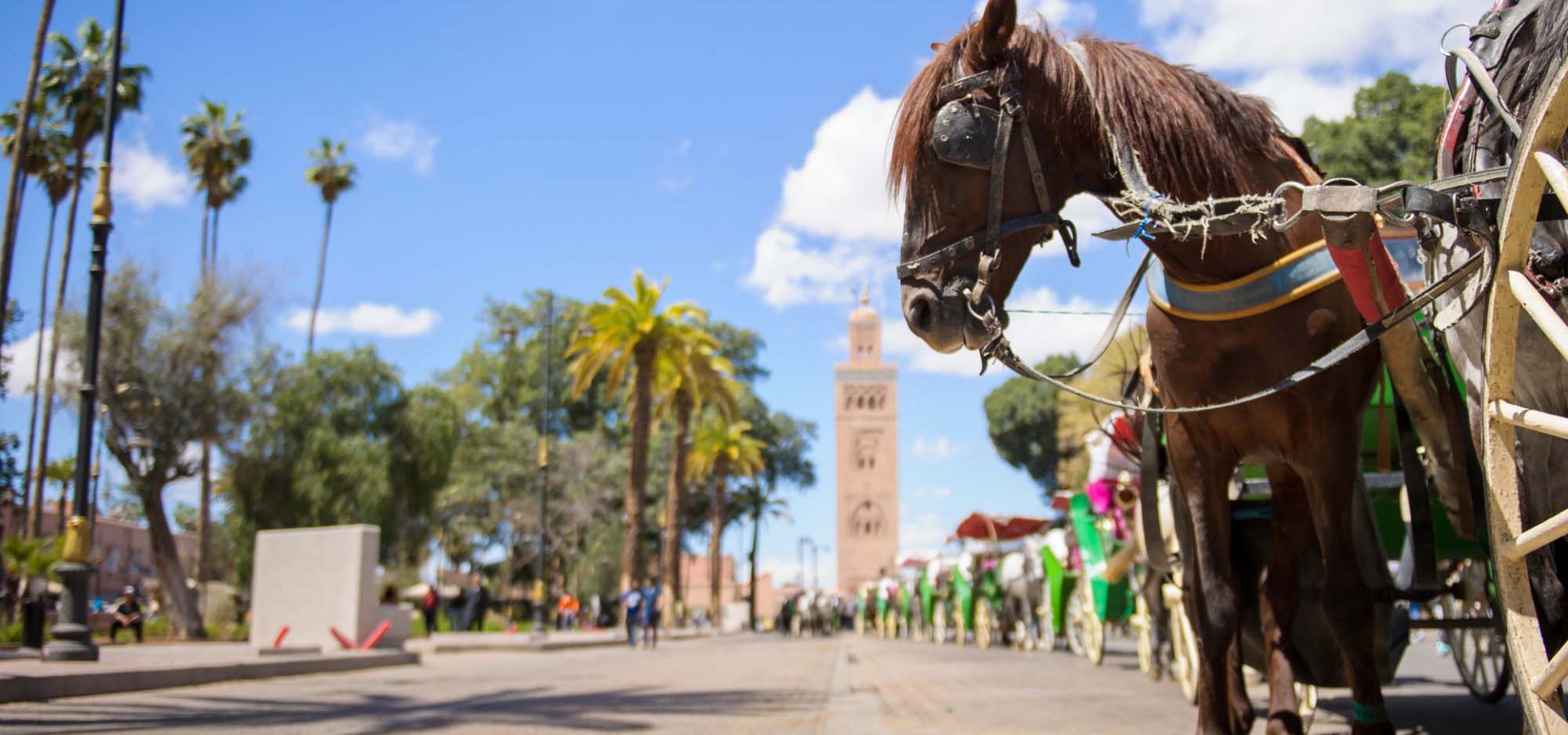
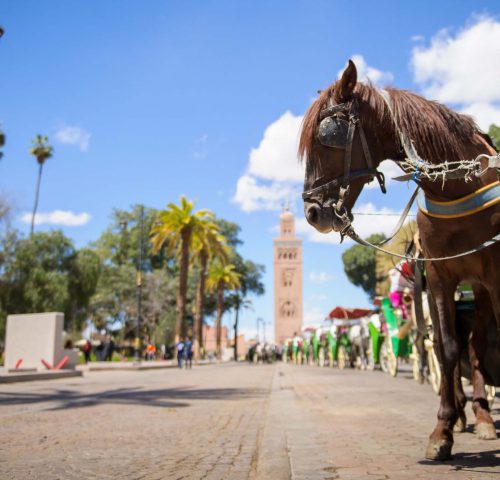
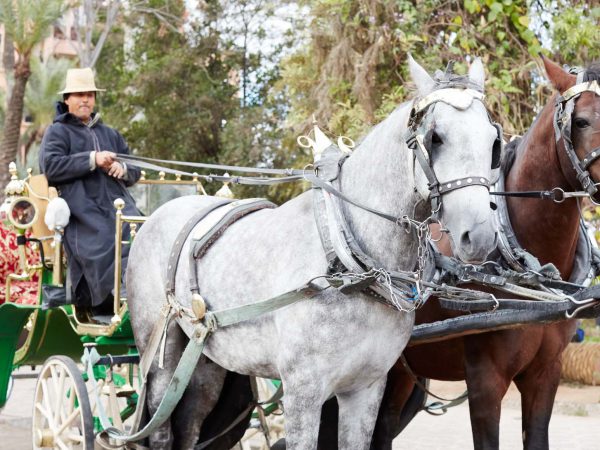
Thousands of animals, including donkeys, horses, mules and camels, work in the tourism industry across the world on rides, treks and tours. These working animals support the livelihoods of their owners, making it possible for them to earn a small income.
Sadly, some of the animals used to pull carriages or carry tourists and luggage endure poor welfare conditions. They may not have access to fresh water, proper breaks, shelter from the hot sun or safe and comfortable equipment. Animals may be overloaded, overworked and neglected, and many working animals in low-income countries may have no access to routine veterinary or professional care, which can lead to serious health and welfare issues.
As a tourist, you can positively influence the way in which owners treat their animals. SPANA’s Holiday Hooves guide provides you with the information you need to help make ethical choices for working animals while travelling
These guidelines are designed to help you identify responsible animal tour providers and animal-related activities that demonstrate good animal welfare, so you can be assured that the animals are well cared for. Whether you are booking a horse-drawn carriage trip, a donkey ride, a camel safari or a pack mule mountain trek, follow SPANA’s Holiday Hooves Guide to help ensure the welfare of working animals.
Read our Holiday Hooves Guide.
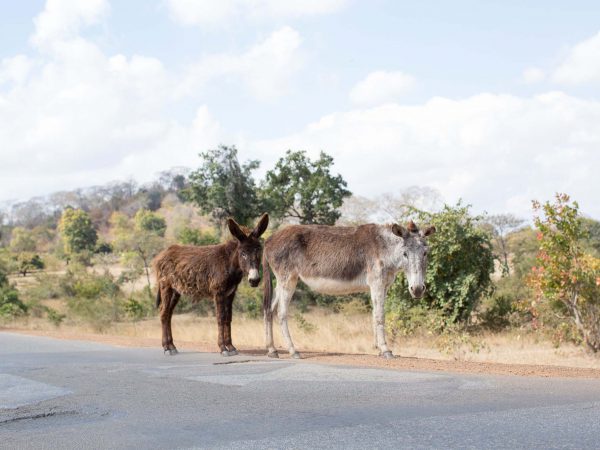
Whether you are booking a horse-drawn carriage trip, a donkey ride, a camel safari, or a pack mule mountain trek, follow the Holiday Hooves Guide.
Select your steed
- Choose the animal which appears fit, healthy and in good condition – you should not be able to see prominent hips or back bones and they should be able to walk comfortably without limping
- Avoid animals with wounds around the mouth, saddle, harness or noseband
- Never ride an animal with excessively tight hobbles or tethers – you’ll be able to see scars or wounds around its legs where they have been tied too tightly
- Avoid camels with patchy or bald skin, which can be signs of contagious mange – and don’t ride camels with obvious signs of diarrhoea around the tail and back legs
- Ask your hotel or holiday company representative for their recommendations of responsible tour providers who appear to treat their animals with kindness and respect
Don’t walk the hind legs off a donkey
- Donkeys, horses and mules should only carry one person at a time
- Consider your own size and weight when selecting an animal to ride. For example if you are tall and broad, choose a larger animal. If you think you might be too large for an animal to take your weight – don’t get on it!
- If you are going on a carriage ride, ask that the animals are driven at a speed no faster than a trotting pace to prevent the carriage from injuring their legs when it stops
Don’t be the straw that breaks the camel’s back
- Avoid tour providers that appear to overload their camels. An average adult camel should carry a maximum load of 150kg – equivalent to two people each weighing 12 stone. If in doubt, insist that each camel carries only one person.
Back the best horse
- Praise your chosen tour provider for treating their animals well and explain why you have given them your trade
- Ensure that you pay a fair price for your trip, ride or tour. This money will not only help the owner to earn a living, but will ultimately allow them to care for their animal.
Do some donkey work
- Help to spread the word about the Holiday Hooves Guide and tell your fellow tourists how they can positively influence the treatment of animals overseas
- Recommend responsible tour providers to other tourists you meet, friends and family, and online via sites such as Trip Advisor
Get on your high horse
- If you see an animal in urgent need of medical attention, try to contact a local vet. If you can’t speak the language ask your hotel or holiday rep if they can help. Some vets will treat animals for free, but beware that others may ask you for payment.
- If you have any animal welfare concerns on holiday, report what you saw by writing to the relevant country tourism board. A list of some tourism board addresses can be downloaded at spana.org/tourism.
- Encourage your holiday company to adopt a responsible tourism policy that promotes good standards of animal welfare
Discover other ways to get involved
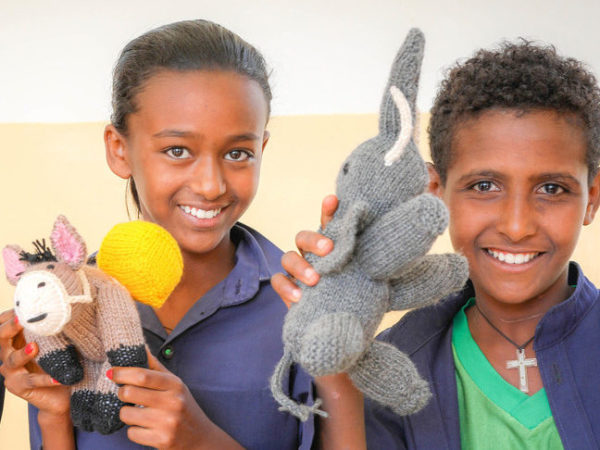
Knitting and crocheting for working animals
Using our patterns, you can craft your very own Duncan the donkey, Hattie the horse, Oscar the ox, Emma the elephant, or Clarence the camel!
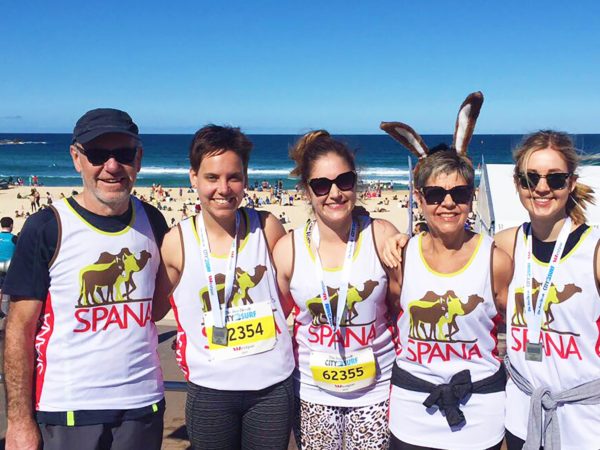
Sydney City2Surf Challenge
Thousands of fundraisers take to the streets of Sydney in the City2Surf event. Discover how you can take part and support working animals the world...
Knitting and crocheting for working animals
Using our patterns, you can craft your very own Duncan the donkey, Hattie the horse, Oscar the ox, Emma the elephant, or Clarence the camel!
Sydney City2Surf Challenge
Thousands of fundraisers take to the streets of Sydney in the City2Surf event. Discover how you can take part and support working animals the world...