Disaster Risk Reduction: Working Animals And Emergencies
In the aftermath of an emergency, working animals and their communities need SPANA more than ever. It’s at this very time that working animals are needed the most, too.
At SPANA, thanks to the kindness of our supporters, we’re able to help working animals after a disaster. For example, in recent years we’ve provided veterinary treatment to working animals affected by a devastating earthquake in Morocco. Throughout the Covid-19 pandemic, we also provided emergency feed to hungry working animals.
Our crucial work has saved many lives, but now we’re looking at things a little differently. As part of our holistic, One Health approach to working animal welfare, we’re working alongside local communities to help them prepare for disasters. This work is called disaster risk reduction (DRR).
DRR bridges our emergency response work and our longer-term projects by enabling working animals and their communities to become more resilient. We can’t prevent disasters from happening, but we can mitigate, prepare and respond better to reduce the impact.
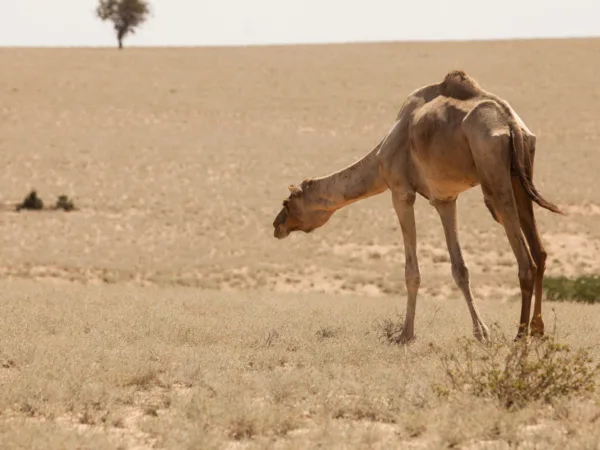
Earlier this year, we supported communities in Turkana County, Kenya, where drought and water shortages left working animals struggling to survive. Together with our local partner, Utunzi Animal Welfare, we provided emergency feed, clean water and veterinary care to 10,000 donkeys and 10,000 camels.
As part of our DRR work, we also invest in long-term solutions like repairing boreholes and supporting the training of local water committees to manage and maintain them sustainably. By supporting disaster preparedness projects like this, we’re working to reduce suffering and protect working animals from the increasing dangers they face. Thank you so much
to everyone who supported our Turkana appeal.
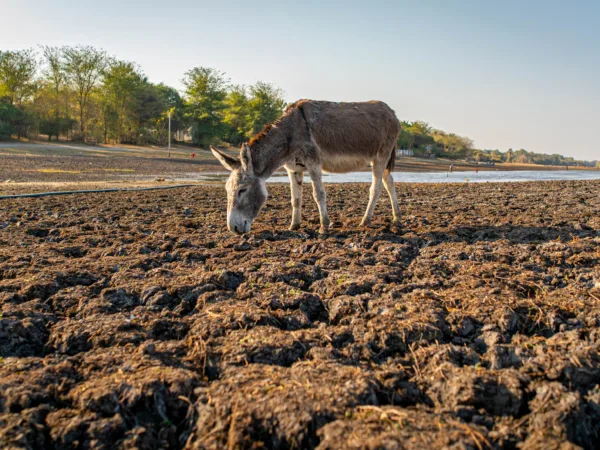
Similarly, last year, we helped working animals and their owners in Zimbabwe who were experiencing one of the worst droughts in living memory. Our local team in Zimbabwe drilled boreholes so that working animals and their communities could access clean, fresh water.
A healthy animal is a resilient animal. Ensuring all working animals in the communities we support have enough food, water, shelter and access to veterinary care is the first step in building DRR across our programmes.
Through working with communities, we can support local approaches to building resilience, ensuring working animals are part of regional emergency planning and giving communities the tools to mitigate risks. For example, introducing sustainable land management practices, repairing water points, providing training to water committees and introducing climate-smart seeds for feed production can all help combat the negative impacts of the climate crisis.
Our emergency work in Kenya and Zimbabwe – and the actions we’re taking to build resilience and reduce the impact of emergencies – is only possible thanks to our dedicated supporters.
Thank you so much for ensuring working animals are protected when they need it most – now and for the future.
by Tim Coggan, SPANA’s DRR & Emergencies Manager.