Caring for donkeys is hard work. A lot of effort goes into making sure a donkey remains healthy and happy – which is something to consider if you’re thinking about getting one. Below, we have outlined a basic guide for beginners on looking after donkeys. A lot more goes into caring for donkeys than what we’ve stated below, but it should give you an idea of what to expect. Always consult a vet if you have questions or want to double-check that you are doing everything correctly.
Things to Know Before Buying a Donkey
If you a considering buying a donkey as a pet, you should opt for a castrated male (gelding) or a female (jenny).
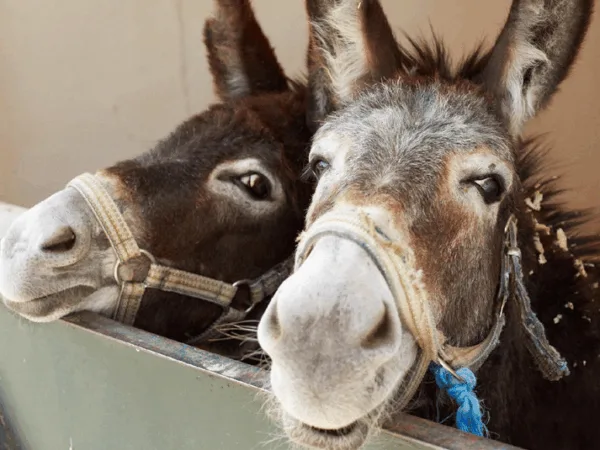
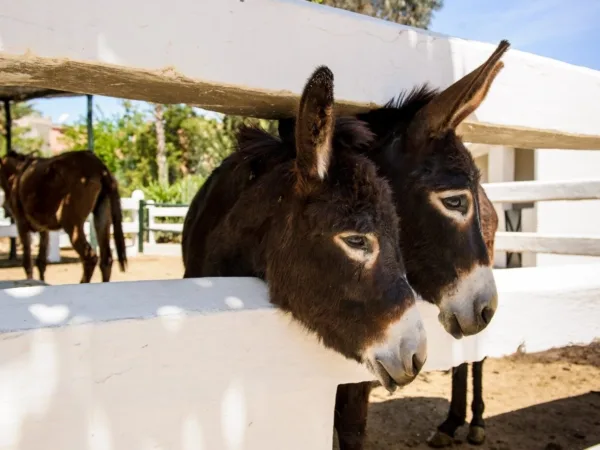
Donkeys are very sociable creatures and cannot live alone. Having a companion is paramount to their wellbeing and happiness. Two jennies, two geldings or a jenny and a gelding are all great options. You must remember that once your donkeys have been in the same pasture, they must not go anywhere without the other. This can cause huge distress and upset.
Furthermore, if a donkey passes away, the remaining donkey should always be left with the body so they can come to terms with what’s happened. If the deceased donkey is removed without the knowledge of the remaining donkey, they can become extremely distressed.
Where to keep a donkey
Caring for donkeys properly means ensuring that the conditions they live in are suitable for their needs. This is especially important in cold and wet climates.
A large grazing area
Your donkey will be happier with space to roam and graze. They do this for most of the day, so it is super important that the space you provide is adequate.
An alternative to a grass paddock is a dirt or non-grazing area, like a yard. However, in areas like this they must always have access to straw or alternative food as they like to nibble all day long.
Shelter away from wind and rain
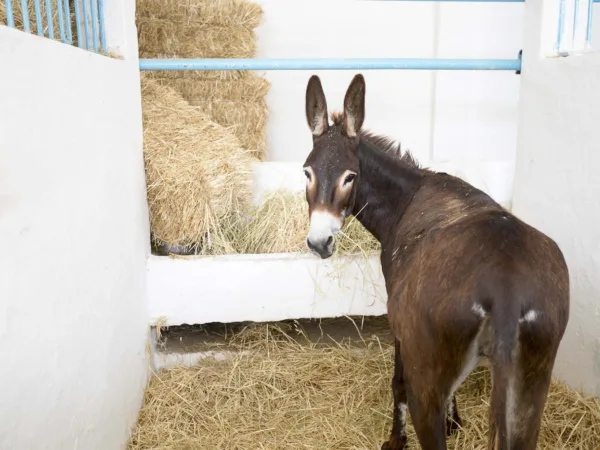
Donkeys’ coats don’t cope well with water, so when it rains, they will look for somewhere to escape. Adequate shelter is an absolute necessity. Ensure your donkey shelter has hard floors, as exposure to damp can harm their hooves. Adding straw to the shelter will help to provide comfort and warmth.
Donkeys living in colder climates (like that of the UK) ideally need a barn in winter. A barn should be fully enclosed with good ventilation. Gaps can cause chills from drafts fighting their way inside. The barn should also be large enough for the donkey to exercise in, when they may not want to go outside.
Maintaining your donkey’s home
You should clean the donkey shelter at least every other day — or daily if the donkeys are kept in a stable or indoors during the winter. Cleaning includes removing all waste and thoroughly spraying down the floor and walls. Make sure the shelter is completely dry before allowing your donkey back inside.
It’s also important that your outside pasture is protected with a sturdy fence. Donkeys may try to escape, and they are strong, so a high-quality fence is a must. It should be as high as your donkey’s shoulders.
Food and drink
A donkey cannot be given just any scraps to eat. They must maintain a healthy diet, or they can become obese or subject to illness and disease. The following should be adhered to where possible.
- A donkey’s main food source should be from a low sugar, high fibre diet – barley straw is a great example.
- Owners should avoid giving donkeys oats, wheat and corn. This can cause disease and obesity.
- Grass can be an additional source of food, but shouldn’t make up the majority of the diet.
- Donkeys must eat little and often. Munching on their food all day is much better than providing them with two large meals in the morning and afternoon.
- Do not allow donkeys to overeat. If you have a grass paddock, a safe electric fence can be used to cordon off an area so they don’t eat too much.
- Only give donkeys treats that aren’t going to harm them – no leftovers of your meals, no meat (donkeys are vegetarian!), and no high-processed or sugary snacks. Apples, bananas, carrots, pears, turnips and swedes are all safe treats for donkeys.
- Sometimes supplements might be necessary – speak to your vet for a tailored approach.
- Clean, fresh water should be available at all times. Make sure it doesn’t ice over or leak, as water can damage hooves.
- All feeding areas must be cleaned daily to lower the risk of worms.
Maintain a healthy lifestyle
Once a donkey’s home and diet are sorted, you must also take responsibility to ensure your donkey remains clean and healthy. Both new and experienced owners should check their donkeys for these five things daily:
- Behaviour
- Appetite and thirst
- Faeces and urine
- Eyes, nose and resting respiration (breathing)
- Coat and skin
If any of these appear abnormal, contact a vet immediately.
To ensure your donkey lives as healthy a life as possible, the following are also recommended:
- Brush your donkey’s hair and clean their hooves every day. Donkeys don’t need baths – brushing and cleaning hooves should be sufficient if done properly and regularly.
- Hooves should also be kept dry and trimmed every 6-8 weeks so they don’t grow too long and cause any problems.
- Teeth must be examined yearly by an equine dentist. You should also regularly check that everything appears okay and nothing in the mouth is bothering the donkey.
- Vaccinations are extremely important and should be kept up to date. Your vet will be able to advise on what vaccinations your donkey needs.
- Regular checks for worms are super important as they can be common within the species. Keeping habitats clear of waste is a way to prevent your donkey from contracting worms.
- Donkeys should always have the option to exercise. Their paddocks should be big enough for them to roam and, if kept inside in winter, the option to exercise should be presented daily.
- Some donkeys may like to have a rug on their body for warmth. This must be replaced every day, and owners should be on the lookout for rubs and sores.
As we mentioned, looking after donkeys is hard work. You should only invest in a donkey if you have the means and are prepared to give them a lot of love and attention. Many donkeys all over the world aren’t looked after properly, causing illness and disease that can lead to death.
Our vets at SPANA travel the world to treat donkeys and educate owners on how to look after them better. Find out more about the work we do and how you can help.