Across the world, millions of children grow up alongside working animals, relying on them in their everyday lives. Working animals, such as donkeys, horses, mules, camels and oxen enable countless families to make a living and afford food and school fees. In many communities, animals even transport children to school.
Yet most formal teaching doesn’t currently cover working animals’ welfare. This is why educating children about animals’ needs has been part of SPANA’s mission since we were founded in the 1920s. Through our animal welfare education programme, we’re inspiring the next generation to value, respect and protect working animals, creating a lasting change for years to come.
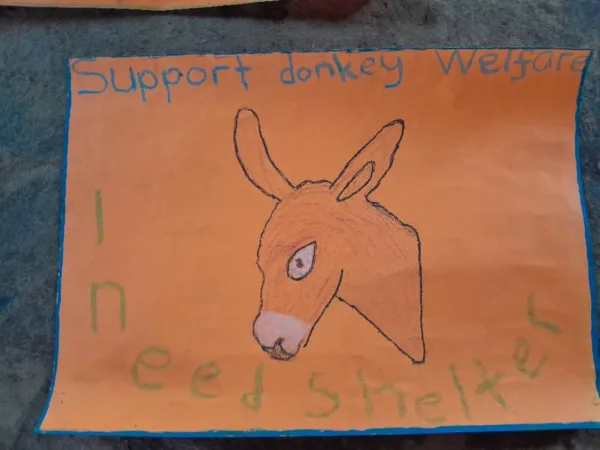
PAWS clubs
One of the ways we reach children is through PAWS clubs (Promoting Animal Welfare and Sustainability). These clubs are fun, engaging, and highly popular.
Our partners support teachers by providing resources that help them teach children how to care for animals. These clubs positively affect working animals because children take their knowledge into their community. Many of these children’s families already own working animals, while others may become animal owners in the future. This is why our PAWS clubs are so important.
Tracely, age 14, from Zimbabwe, who attends SPANA’s PAWS clubs said:
“I like donkeys because they are gentle and kind, loyal companions, strong and hardworking. I have learnt the importance of kindness to all animals and care to all living things.”
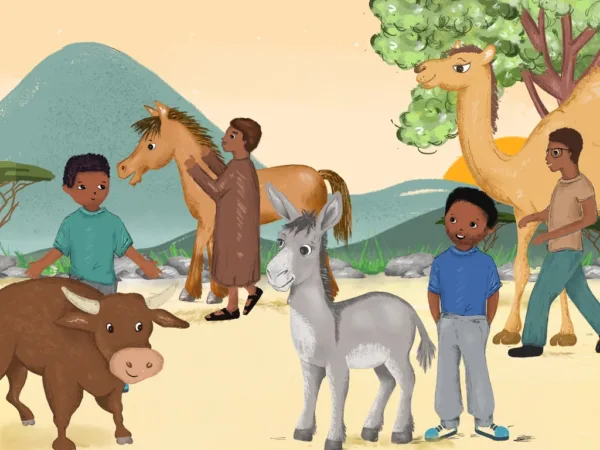
Learning packages
SPANA has created learning packages, which will be used in PAWS clubs, and other activities involving children – such as community trainings or lessons in schools.
They are aimed at children aged two to 12, and are available in English, French and Arabic. The packages cover animal welfare topics, such as appropriate food, shelter and nutrition, as well as broader issues such as the environment, the climate crisis and global citizenship. We also use animations and cartoons to show what they need to lead healthy lives.
National level change
In order to improve the lives of as many working animals as possible. We also encourage ministries in the countries where we work to include working animal health and welfare in their own national curriculum, helping to create change at a national level.
children reached in the last year
schools teaching with SPANA education materials
teachers trained around the world
Discover where we work
Find out more about our education programmes below.
Helping working animals in Ethiopia
Find out more about how SPANA helps working animals in Ethiopia.
Helping working animals in Mauritania
Find out more about how SPANA helps working animals in Mauritania.
Helping working animals in South Africa
Find out more about how SPANA helps working animals in South Africa.
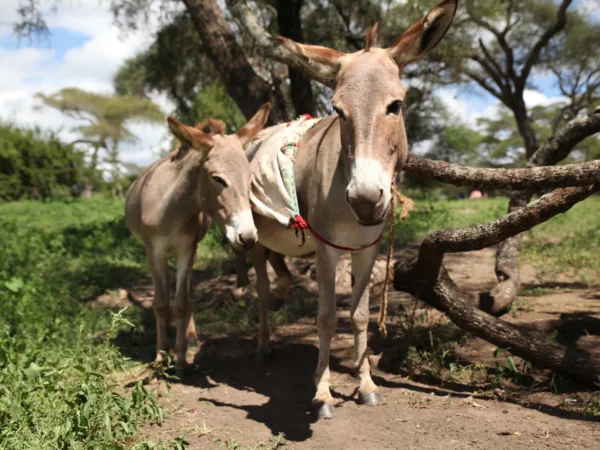
Helping working animals in Tanzania
Find out more about how SPANA helps working animals in Tanzania.
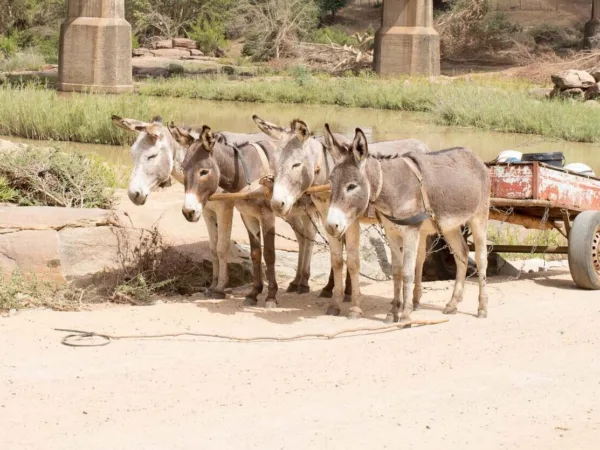
Helping working animals in Zimbabwe
Find out more about how SPANA helps working animals in Zimbabwe.