
Christelle Chenard, Education Programme Adviser, SPANA (The Society for the Protection of Animals Abroad)
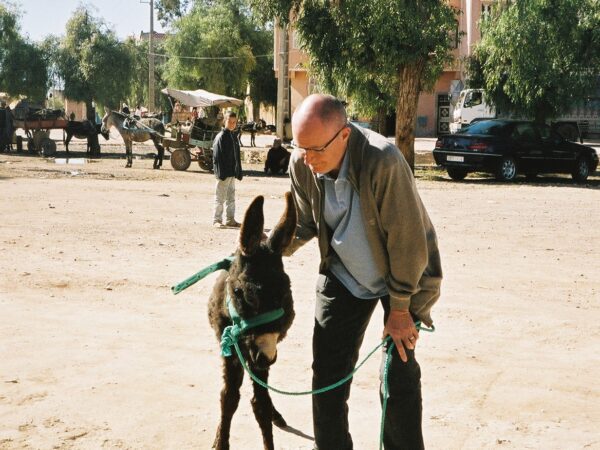
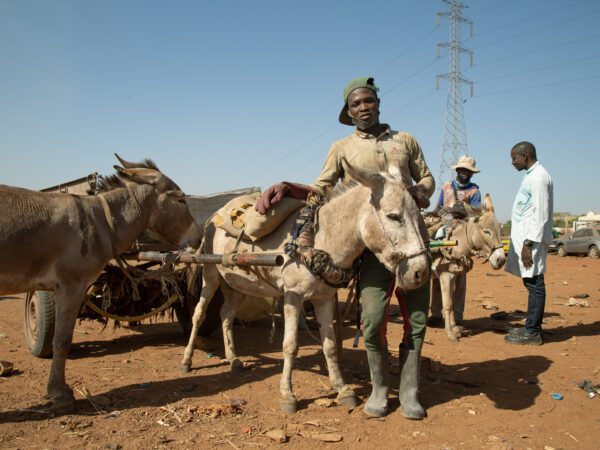
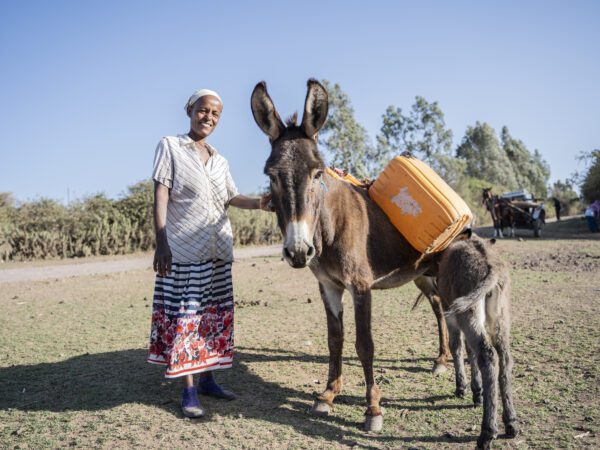
Working animals are crucial for millions of children around the world. They enable countless families to make a living and afford food and school fees. In many communities, animals even transport children to school. I’ve seen children riding donkeys to school in rural Morocco, or horses in tropical Costa Rica – it was a truly heart-warming sight.
Working animals, such as donkeys, horses, mules, camels and oxen, play a vital role in so many children’s lives, yet most formal teaching doesn’t currently cover their welfare. This is why educating children about animals’ needs has been part of SPANA’s mission since the charity was founded in the 1920s.
Our co-founder Nina Hosali understood the importance of inspiring children to show empathy towards working animals. One of the ways she did this was by telling stories that engaged children and encouraged them to adopt caring behaviour towards working animals.
Nina visited schools in North Africa, sharing stories of friendship between different kinds of animals and between animals and humans. The project was called ‘Conversations around our friends, the animals’.
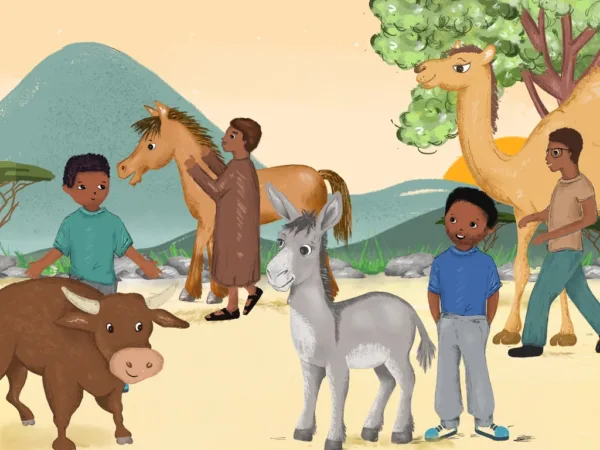
Stories are powerful. They can be used to inform and persuade. They can inspire action. Who hasn’t been touched by the light in a child’s widened eyes as a story magically comes to life and inspires them to take on the world? SPANA continues to use stories to engage children and help them learn about working animals’ welfare. As part of our education programme, we use animations and cartoons to show what they need to lead healthy lives.
One of the ways we reach children is through PAWS clubs (Promoting Animal Welfare and Sustainability). Our partners support teachers by providing resources that help them teach children how to care for animals. Many of these children’s families already own working animals, while others may become animal owners in the future, which is why our PAWS clubs are so important.
PAWS clubs are fun, instructive and hugely popular. It’s always a pleasure to see teachers and children using our resources and working with children in a lively and constructive way. In our PAWS clubs in countries such as Ethiopia, Zimbabwe or Morocco, you see children interacting with our materials enthusiastically – they might roleplay a visit to a farrier or write a letter from their animal’s point of view.
These clubs positively affect working animals because children take their knowledge into their community. Some children are so proud of the improvement in their animals’ welfare that they insist our partner staff visit them and their families at home. They want to demonstrate how healthy their horse looks, how well they feed their camel, or how strong their donkey shelter is.
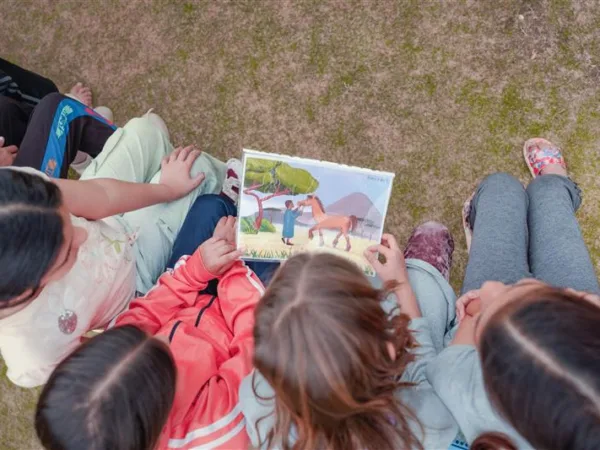
Recently, I led on the redevelopment of our education programme with partners from Honduras, Mauritania, Mali, Morocco, Tunisia, Tanzania, Ethiopia, Zimbabwe and India. Our new education programme includes learning packages for children aged two to 12, which are available in English, French and Arabic. The packages cover an array of animal welfare topics, such as appropriate food, shelter and nutrition, as well as broader issues such as the environment, the climate crisis and global citizenship. They will be used in PAWS clubs, and other activities involving children – such as community trainings or lessons in schools.
As a charity, we aim to improve the lives of as many working animals as possible. We will also encourage ministries in the countries where we work to include working animal health and welfare into their own national curriculum, helping to create change at a national level. For example, over the next year, our partners in Mauritania will be working closely with the National Curriculum Writing Institute to integrate activities from our learning package into various primary school manuals – an important step that will help improve the lives of countless working animals.
I believe lasting change begins with the next generation. Through our education programme, we’re inspiring future working animal owners to value, respect and protect working animals, creating a lasting change for years to come. By equipping children with the knowledge, empathy and confidence to care for the animals who support their families, we are planting the seeds of a kinder, more sustainable future.